At Daisy Lane Early Learning, we are passionate about connecting children with the natural world — and the winter season offers a truly unique lens through which to explore one of our children's favourite topics: animals. How do different animals respond to the cold? Where do they go? What do they eat? How do they stay warm? These questions spark genuine curiosity and lead to rich, sustained inquiry in our program.
How Australian Animals Experience Winter
Unlike many parts of the northern hemisphere where snow and extreme cold are common, Australia's winters are varied and often mild — but they still bring meaningful changes to the natural world that children can observe and explore.
Hibernation — Sort Of
True hibernation (a deep, extended sleep through winter) is relatively rare in Australian native animals. However, some Australian species enter a similar state called torpor — a shorter, lighter period of reduced activity. Echidnas are the most well-known Australian species to enter true hibernation. Fat-tailed dunnarts and some other small marsupials enter daily torpor during cold nights.
Migration
Some Australian bird species migrate with the seasons — travelling from southern states to warmer northern regions as temperatures drop. Shorebirds, in particular, undertake remarkable migrations. Following these seasonal movements introduces children to geography, navigation, and the remarkable adaptations of birds.
Staying Active
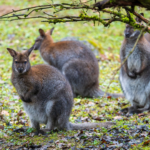
Many Australian animals — kangaroos, wombats, possums, and most reptiles — remain active through winter, though some (particularly reptiles like lizards and snakes) are much less active in cold weather because they are ectotherms (cold-blooded) and depend on external heat to regulate their body temperature. This is a fascinating concept for young children to explore!
Cold-Weather Behaviour Changes
Many animals change their behaviour in winter — spending more time in sheltered spots, eating more to build fat reserves, or gathering in groups for warmth. Children find these behavioural adaptations fascinating and relatable — they too snuggle up and eat warm food in winter!
What We Explore at Daisy Lane Early Learning
Animal Research Projects
Children choose a winter animal to research — using non-fiction books, illustrated guides, and educator-supported investigation to find out how their chosen animal lives through the cooler months. The process of researching a genuine question builds information literacy and sustained inquiry skills.
Winter Nature Observation Journaling
Each week, children record their observations of the natural world in nature journals — noting what animals they have seen, what the weather is like, and how the environment is changing. Over time, these journals become rich records of seasonal change and personal observation.
Shelter Building for Animals
We invite children to build miniature shelters for toy animals using natural and recycled materials, exploring the concept of adaptation — what does this animal need to stay safe and warm? This integrates design, empathy, and scientific thinking in the most engaging way.
Animal Sorting and Classification
Children sort animal cards by whether they are warm-blooded or cold-blooded, native or introduced, and active or dormant in winter — building early science categorisation skills and vocabulary.
Books and Stories About Winter Animals
Our reading corner fills with beautiful non-fiction and fiction books featuring animals in winter, sparking discussion, vocabulary growth, and an emotional connection to the creatures we share our world with.
Keywords: winter wildlife children, animals in cold weather preschool, Daisy Lane Early Learning, nature education early childhood, Australian animals winter, wildlife learning preschool Queensland, animal behaviour children, nature observation early years, science and nature early childhood, animal adaptation children
Sources and Further Reading:
- Raising Children Network – www.raisingchildren.net.au
- Australian Children's Education & Care Quality Authority (ACECQA) – www.acecqa.gov.au
- Early Childhood Australia – www.earlychildhoodaustralia.org.au
- Australian Museum – www.australian.museum
- Queensland Museum – www.museum.qld.gov.au
- Kidspot Australia – www.kidspot.com.au