Sun, Sand, and Smiles: How to Keep Your Babies and Toddlers Safe This Summer
Queensland summers bring endless days of sun, sand, and smiles with your little ones. But those long sunny hours come with serious risks for babies and toddlers, from harsh UV rays to rising temperatures. This guide shares practical tips to keep your children safe and happy while enjoying all the fun summer has to offer. For more detailed information, visit the Queensland Health website for expert advice on sun safety for babies.
Summer in Queensland: Fun with Safety First
Our Unique Summer Challenges
Australian summers are beautiful but bring special challenges for families with little ones. Queensland's intense sunshine can be harsh on sensitive baby skin, with UV levels often reaching extreme levels. As parents, we need to balance outdoor play with proper protection.
The SunSmart Approach for Little Ones
The simple "Slip, Slop, Slap, Seek, Slide" method works brilliantly for babies and toddlers:
Slip on protective clothing - Look for UPF50+ rated clothes that cover little arms and legs. Rash vests are perfect for water play.
Slop on sunscreen - For babies over 6 months, use SPF50+ sunscreen made for sensitive skin. Apply 20 minutes before going outside and reapply every two hours.
Slap on a hat - Choose broa
-brimmed or legionnaire styles that shade the face, neck, and ears.
Seek shade - Plan outdoor activities for early morning or late afternoon, and always have a shaded retreat ready.
Slide on sunglasses - Find wrap-around styles that meet Australian Standards to protect little eyes.
Learn more about sun protection for babies and kids
Sun Safety for Little Ones

The summer sun brings warmth and fun, but also hidden dangers. Your child's skin is much more sensitive than yours, making proper sun protection essential for their health now and in the future.
Understanding UV Risks
Baby skin burns faster than adult skin. Their delicate skin has less melanin and thinner layers, making it much more prone to sun damage. This early damage can lead to serious problems years later.
UV radiation harms skin even on cloudy days. The UV index in Queensland regularly exceeds 3 (the danger threshold) throughout most of the year, not just summer. Many parents don't realise that UV rays can reflect off sand, water, and concrete, increasing exposure even in shaded areas.
Did you know that up to 80% of lifetime sun damage happens during childhood? This makes protection during the first years critical for long-term skin health. Babies under 12 months should stay out of direct sunlight whenever possible.
Check the daily UV forecast before heading outside with your little one. The SunSmart app or the Bureau of Meteorology website provides this information to help you plan safer outdoor time.
The Five S's of Sun Safety
Protecting your child from sun damage is simpler with the five S's method. This approach gives you a complete system to shield delicate skin.
Start with clothing as your first defence. Long sleeves and pants made from tightly-woven fabric block more UV rays than sunscreen alone. Choose lightweight, breathable fabrics in darker colours for better protection without overheating.
For babies under 6 months, avoid sunscreen. Their skin absorbs chemicals too readily, making shade and protective clothing your best options. For older babies and toddlers, apply a sensitive-skin SPF50+ sunscreen to all exposed areas 20 minutes before going outside.
Hats should be non-negotiable for outdoor play. Many parents find success by establishing the rule early: "We wear hats outside." Make it fun by letting toddlers pick their hat or singing a special "hat song" during application.
Create shade wherever you go. Bring portable umbrellas or shade tents to beaches and parks. Never cover prams with blankets or wraps - this can cause dangerous temperature increases inside. Use proper mesh covers designed for prams instead.
Lastly, protect those little eyes. UV exposure damages the eyes, too. For babies who resist sunglasses, wide-brimmed hats provide good eye protection until they accept wearing sunglasses.
Choosing the Right Gear
The right sun protection gear makes summer safety much easier for parents. Quality items last longer and protect better, saving money and worry.
For clothing, look for UPF (Ultraviolet Protection Factor) ratings of 50+, which block 98% of harmful rays. Rashies (rash guards) are perfect for water play, with many cute styles available that babies and toddlers will happily wear.
When shopping for hats, check the brim width. Effective sun hats need at least 7.5cm all around to shade the face and neck properly. Bucket hats work well for active toddlers, while legionnaire-style hats with neck flaps offer excellent protection for babies.
Sunscreen selection matters too. Choose products labelled "for babies" or "sensitive skin" with broad-spectrum protection. Cream formulations typically work better than sprays for young children, giving more reliable coverage. Test new sunscreens on a small patch of skin before full application.
Portable shade options range from pop-up beach tents to clip-on umbrella attachments for prams. The best choices set up quickly and stay secure in light winds. For prams, select UV-protective covers that maintain good airflow while blocking harmful rays.
Find more sun safety tips at Raising Children Network
Water Safety Tips
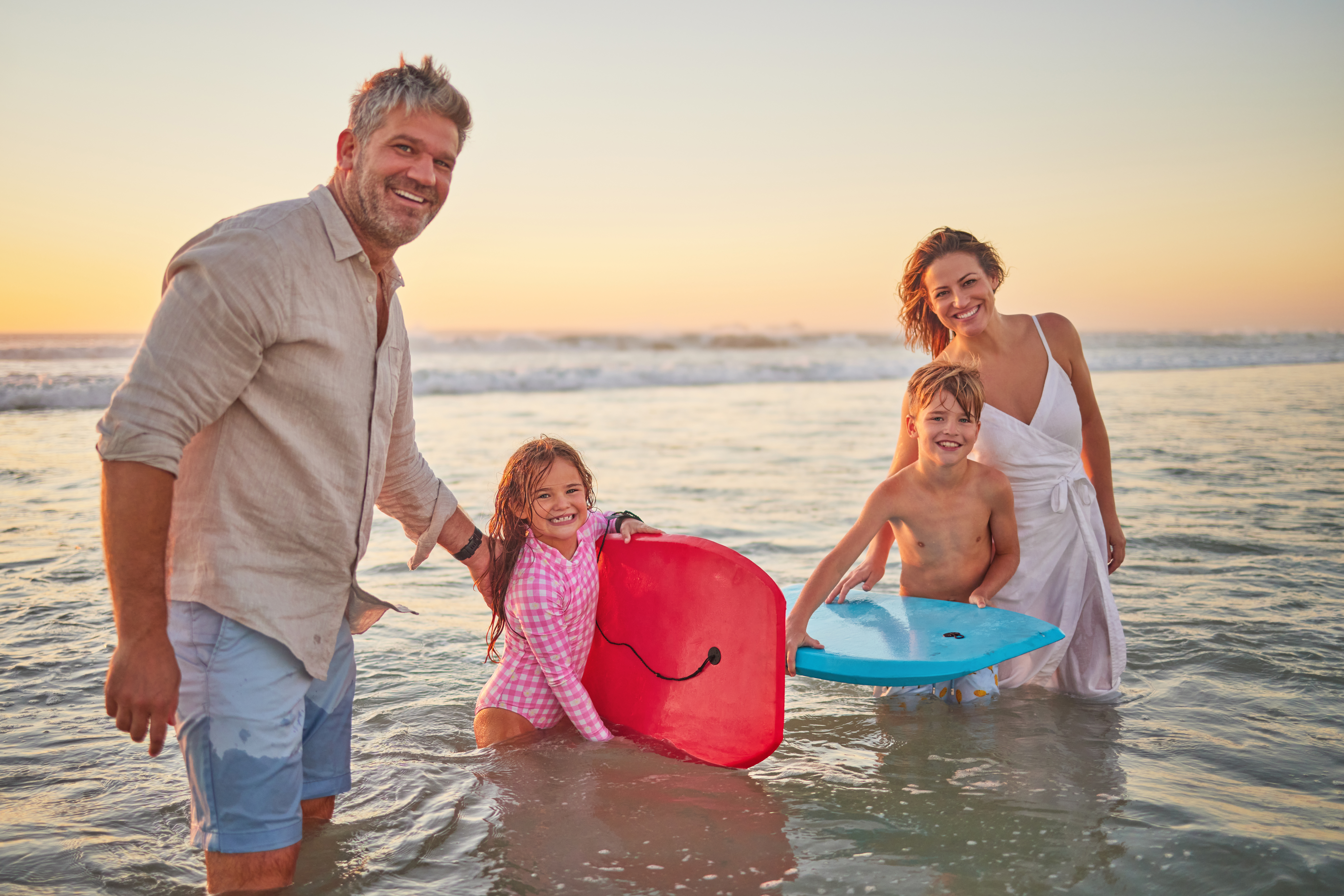
Summer and water go hand-in-hand in Queensland. From backyard pools to beautiful beaches, water activities create wonderful memories - but require constant vigilance with little ones.
Supervision Strategies
Water safety starts with your full attention. Children can drown in just 20 seconds - about the time it takes to check a text message. This happens silently, without the splashing or calls for help shown in movies.
Keep babies and toddlers within arm's reach of any water. This means you should be close enough to touch them at all times, not watching from a distance. Young children lack the skills to save themselves if they slip underwater.
Designate a specific "water watcher" at gatherings. This person's only job is watching the children in the water, with no phone, no conversations, and no other distractions. Adults can take turns in this role.
Teach older toddlers basic water safety rules through simple, consistent messages. "We walk near the pool" and "We only go in water with a grown-up" are concepts even young children can understand when repeated regularly.
Remember that swim lessons, while valuable, don't replace supervision. Even children who have had swimming lessons need constant adult supervision around water. Swimming skills develop gradually over many years.
Home Pool Precautions
Your backyard pool needs multiple layers of protection. Start with compliant pool fencing that separates the pool from the house and yard. The fence should be at least 1.2 meters high with a self-closing, self-latching gate.
Check your pool fence and gate regularly. Look for gaps wider than 10cm, broken latches, or objects that could help a child climb over. Remove chairs, tables, pot plants, or toys from around the fence perimeter.
Empty portable pools immediately after use. Even shallow kiddie pools pose drowning risks if left filled. Store them upside down so they can't collect rainwater.
Keep rescue equipment handy. A reaching pole, a life ring, or a float, and a phone for emergencies should be readily available. Learn CPR - it could make the difference while waiting for emergency services.
Be aware of pool toys that might attract curious toddlers. Store floating toys away from the pool when not in use so children aren't tempted to reach for them.
Safe Beach Practices
Beach outings require special safety planning. Always choose patrolled beaches with lifeguards present, and swim between the red and yellow flags. These areas are monitored and free from dangerous rips.
Create a safe zone at the beach. Set up your spot close to lifeguards and establish clear boundaries for where your child can play. A small inflatable pool filled with a bit of seawater makes a controlled play area for babies.
Watch for changing conditions. Tides, winds, and waves can change quickly at Queensland beaches. What was safe an hour ago might become dangerous as conditions shift.
Pack beach-specific safety gear. This includes plenty of fresh water, sun protection, and a first aid kit. Consider bringing a pop-up beach tent for shade and a safe place for babies to nap.
Be extra cautious with young children near shore break waves. Even small waves can knock over toddlers, causing injuries or panic. Hold their hands when near the water's edge.
Learn more about staying safe in the sun
Beating the Heat
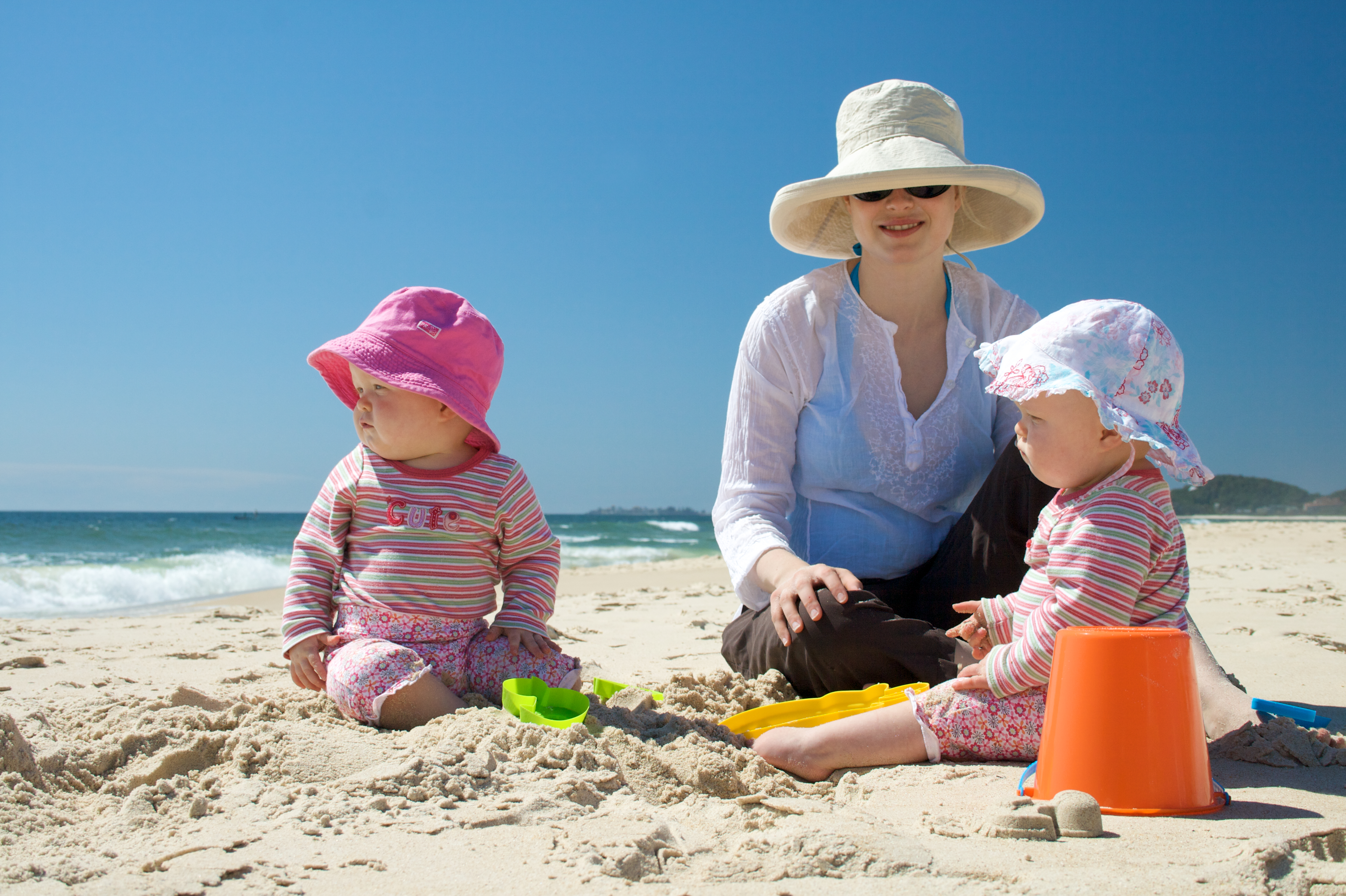
The Queensland summer heat presents special challenges for babies and toddlers. Their small bodies can't regulate temperature as well as adults, making them more prone to overheating.
Hydration Essentials
Keeping little ones properly hydrated takes planning. Babies under six months get all their hydration needs met through breast milk or formula. During hot weather, they may want to feed more frequently - follow their cues.
For babies over six months, offer small sips of water between milk feeds on hot days. Use a sippy cup or bottle with cool (not cold) water. Avoid giving juice or sweetened drinks, as these can actually increase dehydration.
Toddlers need regular water breaks during summer play. Make drinking water fun with special cups or silly straws. Create a routine of water breaks every 20-30 minutes during outdoor play.
Watch for signs of good hydration. Well-hydrated babies should have at least 6-8 wet nappies daily. Their urine should be pale yellow, not dark or strong-smelling. Babies who are getting enough fluids will have moist lips and gums, and tears when crying.
Pack extra water for outings. Bring more than you think you'll need, as heat increases fluid requirements. Water bottles with frozen water will thaw throughout the day, providing cool drinks.
Keeping Cool Strategies
Create cool zones at home during summer. Close blinds and curtains during the hottest part of the day to block heat. Use fans to circulate air, but remember that fans only help when temperatures are below 35°C.
Dress babies appropriately for the heat. Choose loose, lightweight cotton clothing that allows air circulation. At night, use lightweight sleeping bags or just a nappy and singlet if it's very hot.
Plan outdoor activities for cooler times. Early morning or late afternoon outings avoid the most intense midday heat. If you must be out during hot periods, stick to shaded areas and take frequent breaks in air-conditioned spaces.
Use water play to cool down. A shallow paddling pool in the shade, sprinklers, or even just wet washcloths can help lower body temperature. Always supervise water play closely.
Never leave children in parked cars - not even for a minute. The temperature inside a parked car can rise 20-30 degrees above the outside temperature in just minutes, creating life-threatening conditions.
Visit the Queensland Government's heat safety guide
Recognising Heat Stress Signs
Knowing the warning signs of heat problems can prevent serious illness. Mild heat stress often shows up as increased irritability, restlessness, or lethargy in babies and toddlers. They may also refuse to eat or drink.
Watch for physical signs of overheating. Flushed, hot skin (even in shaded areas) can signal heat stress. Sweating may increase initially, but can stop completely in severe cases. Rapid breathing or heart rate are serious warning signs.
Babies with heat exhaustion often have cool, clammy skin despite the heat. They may become very pale and show signs of extreme fatigue. This requires immediate cooling and medical attention.
Heat stroke is a medical emergency. Signs include high temperature (above 39°C), red, hot, dry skin, confusion or unusual drowsiness, and sometimes seizures. Call 000 immediately if you suspect heat stroke.
Trust your instincts as a parent. If your child seems unwell during hot weather, start cooling measures right away. Move to a cool area, remove excess clothing, and use lukewarm (not cold) water to lower body temperature while seeking medical help.
Summer in Queensland offers countless opportunities for making special memories with your little ones. With thoughtful planning and consistent safety practices, you can enjoy all the season has to offer while keeping your precious babies and toddlers protected from sun, water, and heat risks.
Remember that creating sun-safe habits early sets your child up for a lifetime of healthy outdoor enjoyment. By modelling good practices yourself and making safety part of your routine, you're giving your child valuable life skills along with wonderful summer experiences.
Contact Daisy Lane Early Learning
Open Monday to Friday, 6:30 am - 6:00 pm
-
Phone: 07 2802 5430
-
Address: 4 Buckley Drive, Drewvale, QLD, 4116
-
Website: daisylaneearlylearning.com.au
Additional Resources
For more information about keeping your baby or toddler safe this summer:
-
SunSmart App: Download for daily UV forecasts
-
Cancer Council Australia: Sun Protection for Babies and Children
Here's to a safe, sun-smart, and spectacular summer with your little ones!