Beyond ABCs and 123s: A Realistic Guide to School Readiness for Your Child
Most parents fixate on letters and numbers, but that’s only part of the story when it comes to school readiness. Your child might know the ABCs but still struggle with everyday skills like sharing, managing their lunchbox, or coping with separation. At Daisy Lane Early Learning, we’ve seen firsthand that real readiness comes from social, emotional, and practical abilities, and this checklist focuses on exactly those skills your child needs to thrive on day one. For more information, visit https://daisylaneearlylearning.com.au/.
Understanding School Readiness
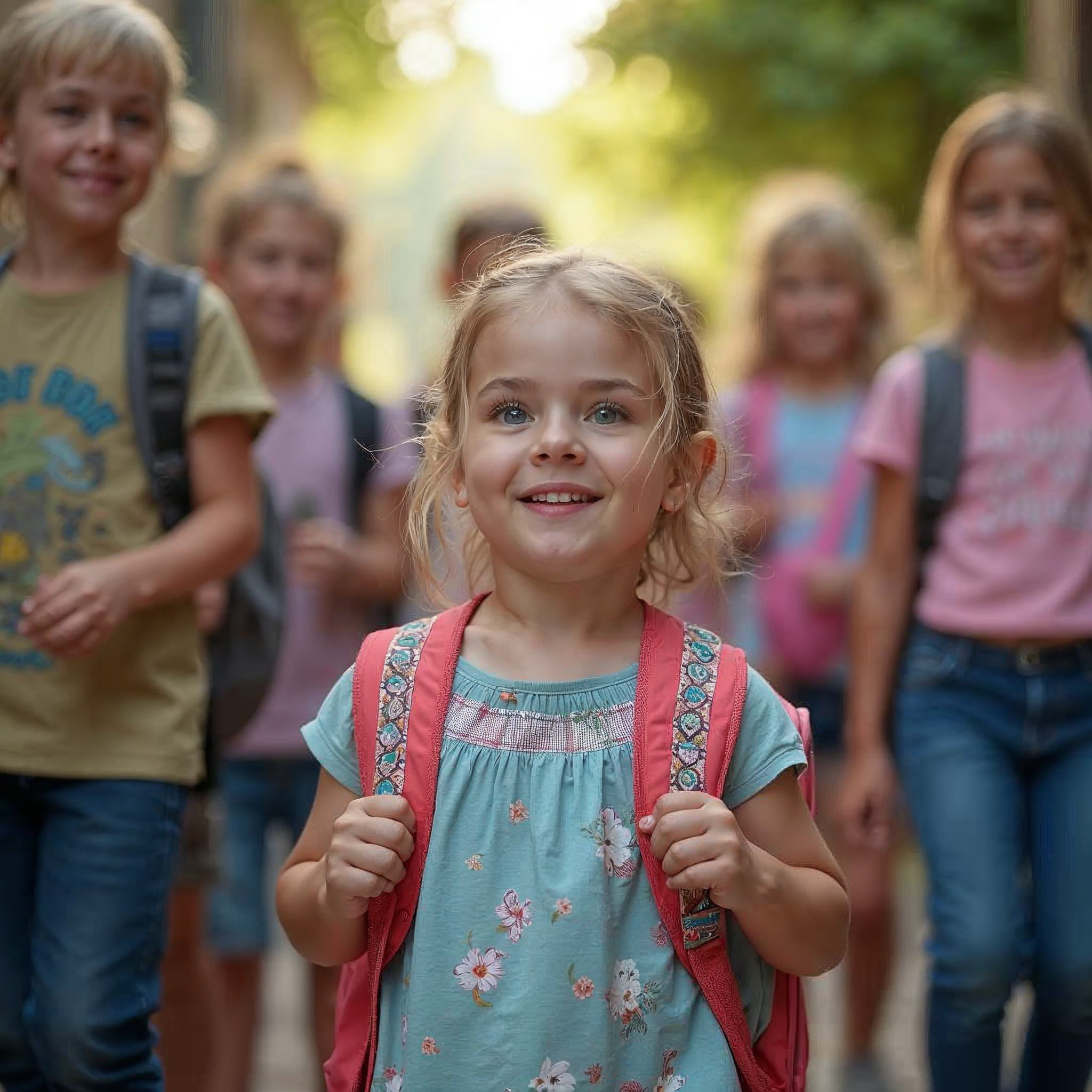
School readiness goes far beyond what most parents imagine. It’s a mix of skills that help your child adapt to the classroom setting and thrive in their new environment. When we talk about preparing for school, we need to look at the whole child, not just what they know, but how they manage themselves and connect with others.
Beyond Letters and Numbers
Ask most parents about school readiness, and they’ll mention the alphabet, counting, or writing their name. While these skills have value, they’re not the make-or-break factors for success in the classroom.
The truth is that academic skills are just the tip of the iceberg. Schools are designed to teach reading and math; that’s their job! What they can’t easily teach in a classroom of 25 children are the foundational skills that allow learning to happen in the first place.
A child who can manage their emotions, follow directions, and work with others will pick up academic concepts quickly. But a child who knows all their letters yet melts down when things don’t go their way? They’ll struggle despite that head start.
Many parents spend hours drilling flashcards when they could be building resilience through everyday activities. The good news? You don’t need special equipment or workbooks, just intentional focus on the skills that truly matter.
Key Developmental Areas
School readiness spans five main developmental areas, each playing a crucial role in your child’s transition to school life.
First, physical development gives your child the stamina for full school days and the coordination for writing, cutting, and playground activities. Children need strong bodies before we can expect them to sit and learn.
Second, social development allows them to make friends, take turns, and work in groups—essential in a classroom where resources and teacher attention must be shared among many children.
Third, emotional development helps them manage feelings, cope with frustration, and bounce back from setbacks. School brings daily challenges that require emotional regulation.
Fourth, language and communication skills let them express needs, understand instructions, and engage with learning materials. Without these, even the simplest classroom interactions become barriers.
Fifth, cognitive skills and approaches to learning—their curiosity, focus, and problem-solving—form the foundation for academic growth. This includes how they tackle new tasks, not just what they already know.
When you balance support across all these areas, you give your child the best chance for a smooth transition to school.
Emotional and Social Skills
Social and emotional skills top the list because they affect everything else your child does at school. These skills determine how your child navigates relationships and manages the ups and downs of school life.
Can your child say goodbye without major distress? Separation anxiety is normal, but extreme cases make learning impossible. Practice short separations regularly to build confidence in your absence and trust that you’ll return.
Does your child know how to make friends? Watch how they interact during playdates. Do they share toys, take turns, and show interest in other children? These skills don’t happen automatically—they need practice through regular social opportunities.
Can they express feelings with words instead of actions? When upset, children need alternatives to hitting, screaming, or shutting down. Help them name emotions: “You seem angry because your tower fell. What words could you use to tell me that?”
Can they follow simple rules and routines? School has many unwritten expectations. Children who understand “different places have different rules” adapt more easily to classroom structures.
Most importantly, can your child recover from small disappointments? School brings daily challenges—not being first in line, making mistakes, or waiting for a turn. Building resilience now prepares them for these everyday hurdles.
Building Independence and Self-Care
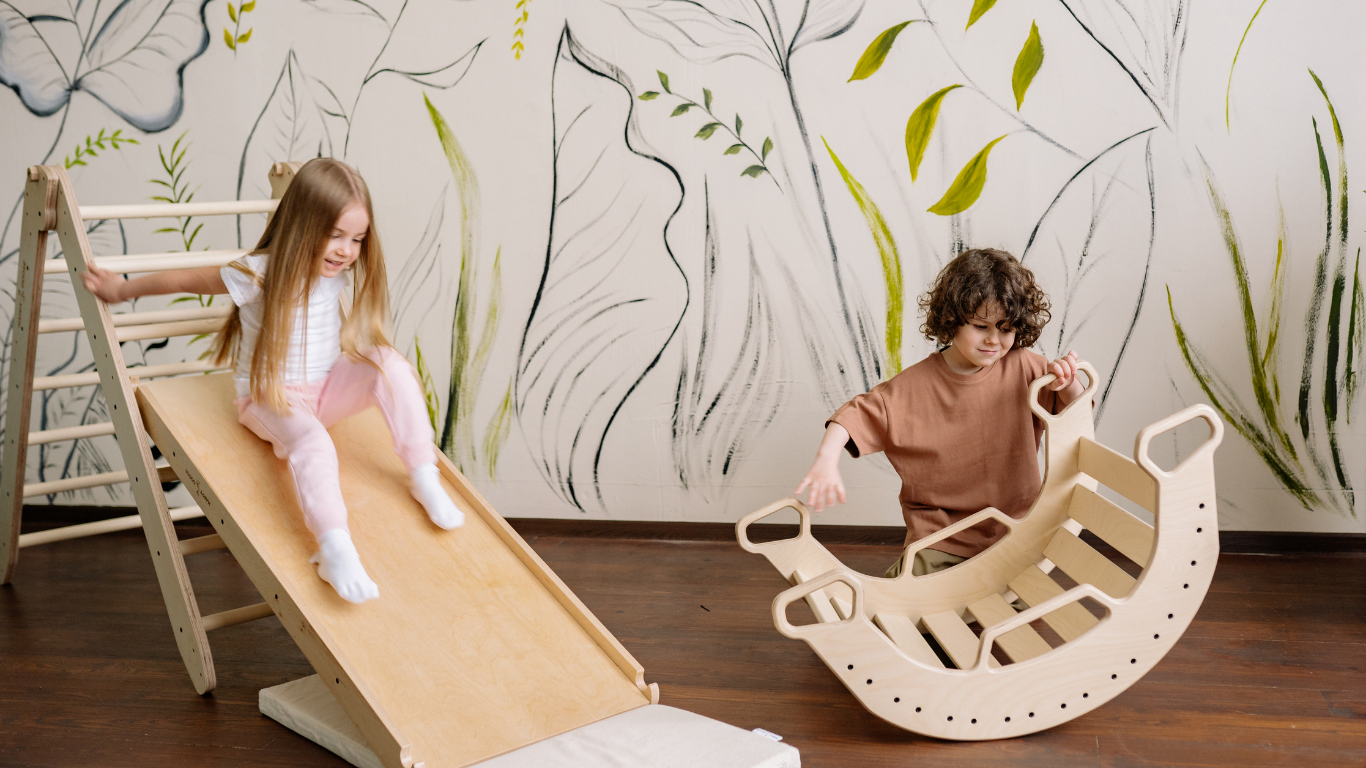
The jump in independence required at school often surprises parents. Your child will need to manage many tasks with minimal adult help, as teachers simply can’t provide the one-on-one attention your child might be used to at home or in childcare.
Dressing and Lunchbox Skills
Self-care skills make or break your child’s daily school routine. Imagine 25 children all needing help opening lunch containers at once—it’s simply not possible for one teacher to assist everyone.
Toilet independence tops the priority list. Your child should handle the entire bathroom routine alone—using the toilet, wiping properly, flushing, washing hands, and managing clothing. While occasional accidents happen, especially during the adjustment period, basic toilet skills are essential.
Dressing skills matter too. Can your child put on and take off their jumper as the temperature changes? Manage simple buttons and zips? Put on their shoes? These tasks happen multiple times daily at school.
Food management is another critical area. Practice with the actual containers your child will use at school. Can they open their lunchbox, unwrap sandwiches, peel fruit, and open drink bottles? Many children go hungry not because they don’t have food, but because they can’t access it.
Make mealtimes at home a chance to build skills. Let your child pour their own water, use proper cutlery, and clean up after themselves. These skills transfer directly to the school setting, where self-sufficiency at meal times is expected.
The best approach? Start practising now, not the week before school starts. Build in extra time for your child to dress themselves, even when you’re running late. The investment pays off when school begins.
Managing Personal Belongings
School requires children to keep track of their things in a busy environment with identical-looking items everywhere. This organisation doesn’t come naturally to most five-year-olds.
Start by teaching responsibility for belongings at home. Does your child put away toys after use? Hang up their coat? Know where to find their shoes? These habits build the awareness needed for school.
Practice packing and unpacking a backpack. Your child should recognise their own bag and understand what goes inside it. Play games, finding specific items in their bag to build this skill.
Name recognition is key—your child should spot their name on labels even if they can’t read other words yet. Point out their name regularly and explain how name labels help everyone know what belongs to whom.
Create systems that support success. Choose a bag with compartments that make organisation easier. Use visual cues like colored tags to help them identify their items quickly. Establish consistent places for important things.
Remember that losing items is part of learning. When something goes missing, guide your child through the process of retracing steps and checking common areas rather than simply replacing items. This builds problem-solving skills they’ll need at school.
Practising Daily Routines
Routines provide the framework for school success. Children who understand and follow routines spend less energy figuring out what comes next and more energy learning.
Morning routines deserve special attention. Practice a school-day schedule weeks before school starts: waking up, getting dressed, eating breakfast, brushing teeth, and preparing bags—all within a realistic timeframe. It’s occasionally to ensure you’re allowing enough minutes for each step.
Teach the concept of time management in simple ways. “We need to leave in 10 minutes” means little to a child who doesn’t understand time. Instead, use concrete markers: “After this show ends, we’ll put on shoes.”
Multi-step instructions challenge many school beginners. Practice following two and three-part directions: “Please put your plate in the sink, wash your hands, and sit at the table with your book.” Resist the urge to repeat instructions immediately—give them time to process and remember.
Transitions between activities often trigger resistance. Use warnings (“Five more minutes of play, then bath time”) and visual timers to make transitions more predictable. The school day involves many transitions, so building this flexibility now prevents struggles later.
Create visual routine charts for the home using simple pictures if your child responds well to visual cues. This builds the skill of following sequences independently—exactly what they’ll need for classroom procedures.
Communication and Physical Development
Communication skills and physical abilities form the foundation for classroom participation and playground success. These areas often receive less attention than academics but prove equally important for school adjustment.
Language and Listening Skills
Strong communication skills help your child navigate every aspect of school life, from following teacher instructions to making friends in the playground.
Speaking clearly enough for others to understand is fundamental. Teachers manage large groups and can’t always take extra time to decipher unclear speech. If you’re concerned about your child’s speech clarity, consulting a speech pathologist before school starts can make a significant difference.
Listening skills matter just as much as speaking. Can your child follow directions without constant repetition? Do they maintain attention when someone is speaking? Practice these skills during everyday activities: “First put your toys in the basket, then bring me your shoes.”
Conversation skills go beyond simple answers. Does your child take turns in discussions? Can they stay on topic? Do they ask questions when confused rather than tuning out? Family meals provide perfect practice for these skills when you make conversation a priority.
Build vocabulary through rich everyday language. Use specific words rather than vague terms. Instead of “Put it over there,” try “Place the book on the second shelf.” This precision helps children follow classroom instructions.
Read together daily, discussing stories rather than just racing through pages. Ask open-ended questions: “Why do you think the character did that?” “What might happen next?” These conversations build comprehension skills that transfer directly to classroom learning.
Remember that communication is cultural. Some families value different communication styles than schools typically expect. Help your child understand that different settings might have different expectations around eye contact, interrupting, or question-asking.
Physical Stamina and Coordination
Physical readiness for school involves both gross motor skills (large movements) and fine motor skills (small, precise movements). Both affect your child’s school experience in surprising ways.
School days require significant stamina. Many new students struggle with fatigue, not academics. Build endurance through active play for at least an hour daily. Gradually extend activity periods to match school timeframes.
Gross motor skills support playground confidence and PE participation. Can your child run, jump, climb, and balance? These skills build social connections as much as physical health, as playground games often require physical competence.
Fine motor strength affects writing, cutting, and classroom tasks. Many children struggle with pencil grip, not because they don’t understand letters, but because their hand muscles lack strength. Offer playdough, tweezers activities, bead stringing, and other small-muscle builders.
Sitting still (relatively) challenges many school beginners. While fidgeting is normal for five-year-olds, they need some capacity to sit during group activities. Build this gradually through story time, board games, and craft activities that naturally extend attention span.
Self-help skills rely on physical development, too. Opening lunch containers, managing bathroom visits, and changing clothes all require coordination. Give your child plenty of practice with real-world tasks rather than doing everything for them.
Remember that physical skills develop at different rates. Focus on progress rather than comparison to others. Regular opportunities to move and practice are more important than achieving specific milestones by a certain age.
Encouraging Curiosity and Play
Curiosity drives learning more powerfully than any worksheet. Children who start school wondering “why” and “how” have a natural advantage in the classroom.
Play remains the most effective learning method for young children. Through play, they develop problem-solving skills, creativity, and social understanding. These translate directly to classroom success.
Encourage questions, even when they seem endless. “Why is the sky blue?” might test your patience, but it builds the inquiry mindset needed for school learning. When you don’t know an answer, model how to find information: “Let’s look that up together.”
Provide open-ended materials that spark imagination—blocks, art supplies, dress-ups, and natural objects. These items have no “right way” to use them, allowing children to experiment and create. This flexibility of thinking transfers to academic challenges.
Allow boredom occasionally. When children must generate their own entertainment, they develop creativity and self-direction. These skills help them stay engaged during less structured school moments.
Foster a growth mindset by praising effort rather than intelligence: “You worked so hard on that puzzle!” instead of “You’re so smart!” This builds persistence when school tasks become challenging.
Let your child take safe risks in play. Climbing higher, trying new games, or testing physical limits builds confidence that transfers to taking intellectual risks in the classroom. Learning requires a willingness to try without the guarantee of success.
Remember that play isn’t separate from learning—it’s how young children learn best. The child building block towers is developing spatial awareness for math. The child in dramatic play is building narrative skills for writing. The child mixing potions in the garden is exploring scientific principles.
The curiosity and love of discovery you nurture now become the foundation for lifelong learning, far beyond the first day of school.
Connect With Daisy Lane Early Learning
If you’d like to discuss your child’s individual school readiness journey, we’d love to talk. Our experienced educators at 4 Buckley Drive, Drewvale know each child’s unique strengths and areas for growth, and we can provide honest, supportive guidance.
We’re open Monday to Friday, 6:30am to 6:00pm. Give us a call on 07 2802 5430 or email enrolments@daisylaneearlylearning.com.au to arrange a time to chat.
You can also visit our website at daisylaneearlylearning.com.au to learn more about our kindergarten program and how we support children’s journey to school readiness.
Because every child deserves to start their school journey feeling confident, capable, and excited about the learning adventures ahead.
Recommended Resources on School Readiness
Queensland Government Resources:
-
Queensland Department of Education – Starting School
https://www.qld.gov.au/education/earlychildhood/school/starting
Official guide to prep enrolment, school readiness expectations, and what to expect in your child’s first year. -
Queensland Kindergarten Learning Guideline (QKLG)
https://qklg.qld.gov.au/
The framework guiding quality kindergarten programs in Queensland and preparing children for school. -
Australian Children’s Education & Care Quality Authority (ACECQA)
https://www.acecqa.gov.au/
National quality framework and resources on effective transitions to school.
Child Development and Readiness:
-
Raising Children Network – Starting School
https://raisingchildren.net.au/school-age/school-learning/starting-school
Comprehensive Australian resource covering all aspects of school readiness and transition. -
Early Childhood Australia
https://www.earlychildhoodaustralia.org.au/
Professional resources on school readiness from a play-based, holistic development perspective. -
KidsMatter – Transition to School
https://www.kidsmatter.edu.au/
Mental health and wellbeing focus for successful school transitions.
Practical Support:
-
Australian Parenting Website
https://parentingstrategies.net/
Practical strategies for building independence, social skills, and emotional regulation at home. -
Emerging Minds – Starting School
https://emergingminds.com.au/
Child development and mental health resources for supporting children through transitions. -
Speech Pathology Australia
https://www.speechpathologyaustralia.org.au/
Information on communication development and when to seek professional support. -
Occupational Therapy Australia
https://otaus.com.au/
Resources on fine and gross motor development and preparing children physically for school.
These resources provide evidence-based information complementing the comprehensive school readiness approach we use at Daisy Lane Early Learning Centre.