Keeping Little Ones Safe: A Comprehensive Guide to Childcare Safety at Daisy Lane Early Learning
Ensuring the safety of your little ones is a shared responsibility at Daisy Lane Early Learning, where we prioritise creating a secure environment for children to thrive. Our dedication to early childhood safety is guided by Australia’s National Quality Framework and the National Child Safe Standards, ensuring we meet the highest childcare safety guidelines. As these standards evolve, particularly with the recent updates in 2024, we continue to adopt practices that protect and nurture every child under our care. From maintaining child-safe environments both indoors and outdoors to implementing rigorous health and hygiene protocols, we leave no stone unturned in safeguarding our children. Join us in exploring how Daisy Lane Early Learning champions child protection in early childhood, providing peace of mind to families and fostering a safe space for all.
Child safety standards form the backbone of our approach to early childhood education at Daisy Lane Early Learning. These guidelines ensure we provide a secure and nurturing environment for every child in our care.
Australia’s Child Safe Standards
The Australian Child Safe Standards are a set of principles designed to create child-safe organisations. These standards aim to protect children from abuse and neglect in organisational settings.
At Daisy Lane Early Learning, we implement these standards rigorously. Our policies and procedures reflect a commitment to child safety that goes beyond mere compliance.
We foster a culture where child safety is everyone’s responsibility. This includes regular training for staff, open communication with families, and age-appropriate education for children about personal safety.
National Quality Framework Highlights
The National Quality Framework (NQF) sets the benchmark for early childhood education and care in Australia. It focuses on improving education and care across long day care, family day care, preschool, and outside school hours care services.
Key aspects of the NQF include:
Improved educator-to-child ratios
Greater individual care and attention for children
Educators with increased skills and qualifications
Better support for children’s learning and development
The NQF also introduces a quality rating system. This helps families choose the best services for their children based on objective, comparable information.
Physical Safety in Childcare
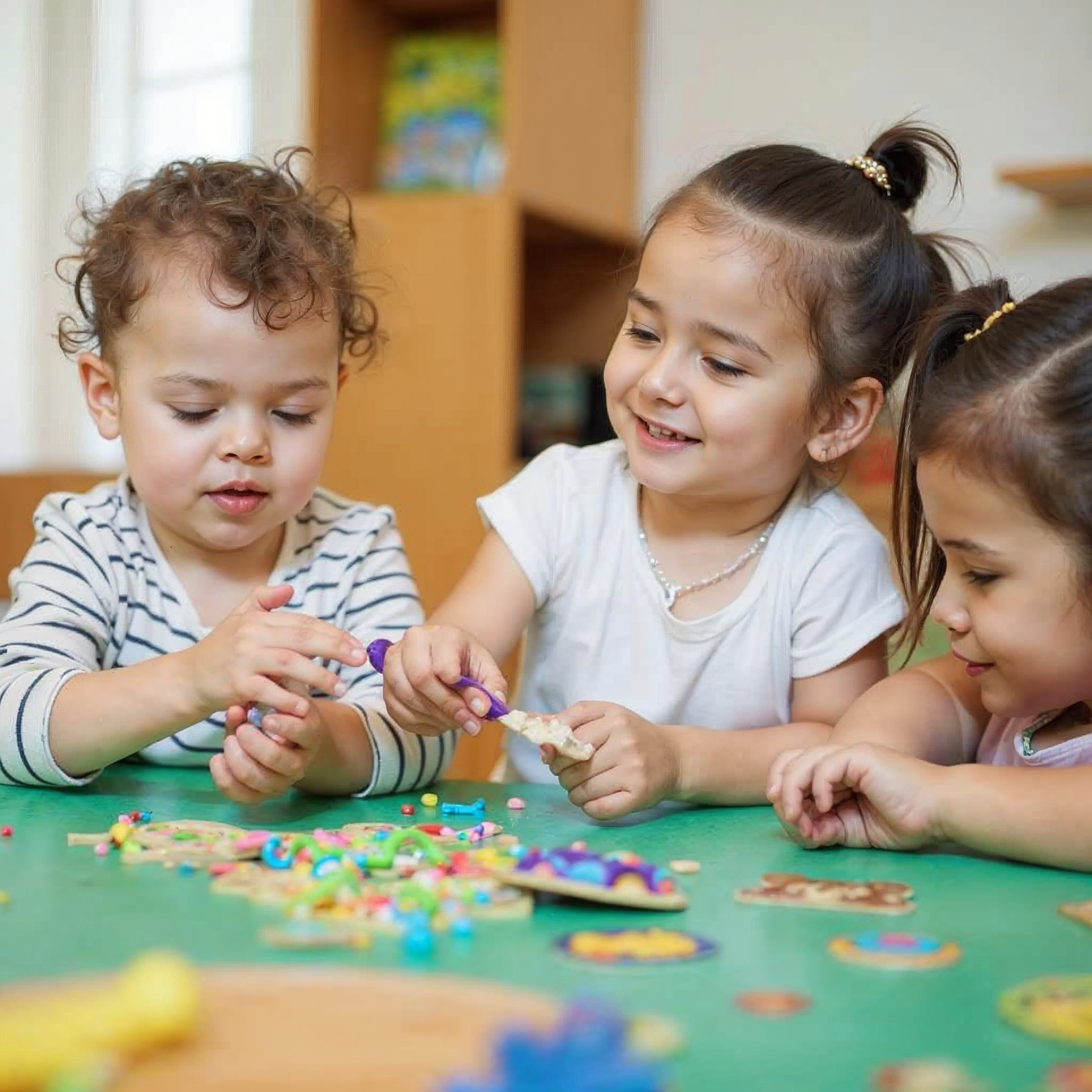
At Daisy Lane Early Learning, we understand that physical safety is paramount. Our centres are designed with children’s safety as the top priority, both indoors and outdoors.
Indoor Environment Safety
Our indoor environments are carefully crafted to be safe havens for children. We follow strict guidelines to ensure every corner of our centre is secure and child-friendly.
All furniture is age-appropriate and securely anchored. We use child-safe materials and ensure that all potential hazards are out of reach.
Electrical safety is a key focus. All outlets are covered, and electrical cords are safely tucked away.
We maintain clear pathways for easy movement and emergency evacuation. Regular safety audits help us identify and address any potential risks promptly.
Playground Safety Guidelines
Outdoor play is crucial for children’s development, and we ensure it’s as safe as it is fun. Our playgrounds adhere to the strictest safety standards.
All equipment is age-appropriate and regularly inspected for wear and tear. We use impact-absorbing surfaces under all climbing structures to minimise injury risk.
Sun safety is a priority. We provide adequate shade and enforce our ‘No hat, no play’ policy during sunny weather.
Our staff are trained in active supervision techniques to keep a watchful eye on children during outdoor play. We maintain appropriate staff-to-child ratios at all times to ensure adequate supervision.
Health, Hygiene, and Nutrition
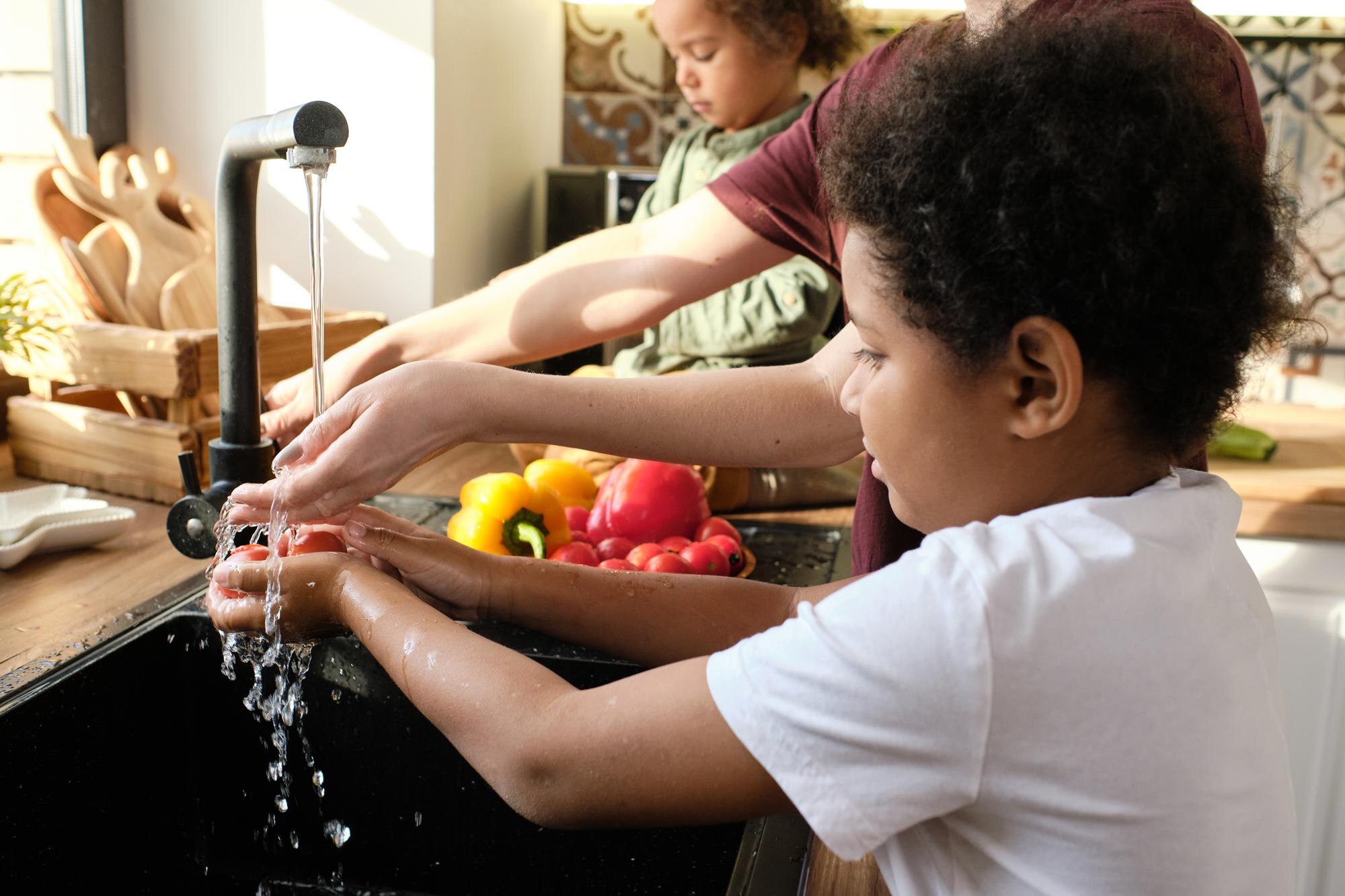
At Daisy Lane Early Learning, we recognise that health, hygiene, and nutrition are fundamental to children’s wellbeing and development. Our practices in these areas align with the National Quality Standard’s Quality Area 2.
Infection Control Measures
We implement robust infection control measures to maintain a healthy environment for children and staff. These measures are designed to prevent the spread of illness and promote overall wellbeing.
Hand hygiene is a cornerstone of our infection control strategy. We teach children proper handwashing techniques and have designated handwashing stations throughout our centres.
Our cleaning and sanitising procedures are thorough and frequent. We use child-safe, hospital-grade disinfectants on all surfaces and toys.
We have clear policies for managing sick children and staff, including isolation procedures and communication protocols with families.
Safe Sleep Practices
Safe sleep practices are critical for young children’s health and safety. We follow the latest guidelines from reputable health organisations to ensure every child’s sleep environment is as safe as possible.
Our sleep areas are designed to minimise risks. We use firm mattresses and ensure there are no loose bedding or toys in cots.
Staff are trained in safe sleep positioning, particularly for infants. We place babies on their backs to sleep and check on them regularly.
We maintain appropriate room temperature and ventilation in sleep areas. Each child has their own bedding, which is laundered regularly to maintain hygiene.