Is Your Little One Ready for Prep? A Warm Guide for Queensland Parents
Most parents wonder if their child is truly ready to start Prep when the time comes. It’s more than just ticking off birthdays; key skills like managing emotions, following instructions, and settling into new routines matter most. This guide from Daisy Lane Early Learning breaks down what school readiness really looks like in Queensland, helping you feel confident about your little one’s next step.
Understanding Prep in Queensland
In Queensland, children must be 5 years old by 30 June in the year they enrol in Prep. While this is the first year of formal schooling, it’s worth noting that you can delay your child’s entry by a year if you feel they need more time to develop.
What School Readiness Really Means
School readiness goes beyond knowing letters and numbers. Research shows that a child’s emotional and social adjustment strongly predicts their early school success.
Social and Emotional Skills
Your child will thrive at school when they can:
Manage their feelings
Follow classroom routines
Make friends and get along with others
Express their needs clearly
Handle small disappointments
Separate from you without too much distress
Communication Abilities
Schools are chatty places! Your little one will need to:
Speak clearly enough for others to understand
Follow simple instructions
Ask questions when they don’t understand
Listen during story time
Tell you about their day
Physical Development
Both fine and gross motor skills matter:
Holding pencils and using scissors
Managing toilet visits independently
Dressing themselves (including shoes)
Running, jumping and sitting still when needed
How Our Kindergarten Program Helps
At Daisy Lane Early Learning, our kindergarten program builds all these important skills through play-based learning. Our educators create activities that:
Encourage children to work together
Build confidence in new situations
Introduce early literacy and numeracy concepts
Develop physical coordination
Foster independence
Kindergarten Transition Statements
We provide detailed transition statements that highlight your child’s strengths and abilities. These valuable documents:
Give Prep teachers insight into your child’s learning style
Include input from both our educators and your family
Support a smooth move between kindergarten and school
Supporting Your Child at Home
You can help prepare your little one for Prep through everyday activities:
Building Confidence
Read together daily
Let them dress themselves and pack their bag
Create consistent morning and bedtime routines
Play games that involve taking turns
Chat about feelings and new experiences
School Familiarity
Visit their future school during term time
Talk positively about starting school
Practise opening lunch boxes and water bottles
Meet other children who’ll be in their class
Is Delaying Prep the Right Choice?
Sometimes waiting an extra year before starting Prep is the best option, especially if:
Your child has a birthday close to the June cut-off
They’re still developing social skills
Their kindergarten teacher suggests it would be beneficial
Remember, you know your child best, and in Queensland, the decision to delay can be yours alone, without formal assessments.
How We Can Help
At Daisy Lane Early Learning in Drewvale, we partner with families to ensure children feel ready and excited for school. Our experienced educators can:
Discuss your child’s individual progress
Share strategies that build school readiness
Connect you with local schools
We’re open Monday to Friday, 6:30am – 6:00pm, and would love to chat about how we can support your family.
Contact us:
Phone: 07 2802 5430
Email: enrolments@daisylaneearlylearning.com.au
Address: 4 Buckley Drive, Drewvale, QLD, 4116
Starting school is a big adventure for the whole family. With thoughtful preparation and support from our team at Daisy Lane, your child can step into Prep with confidence and joy.
Understanding Prep Readiness
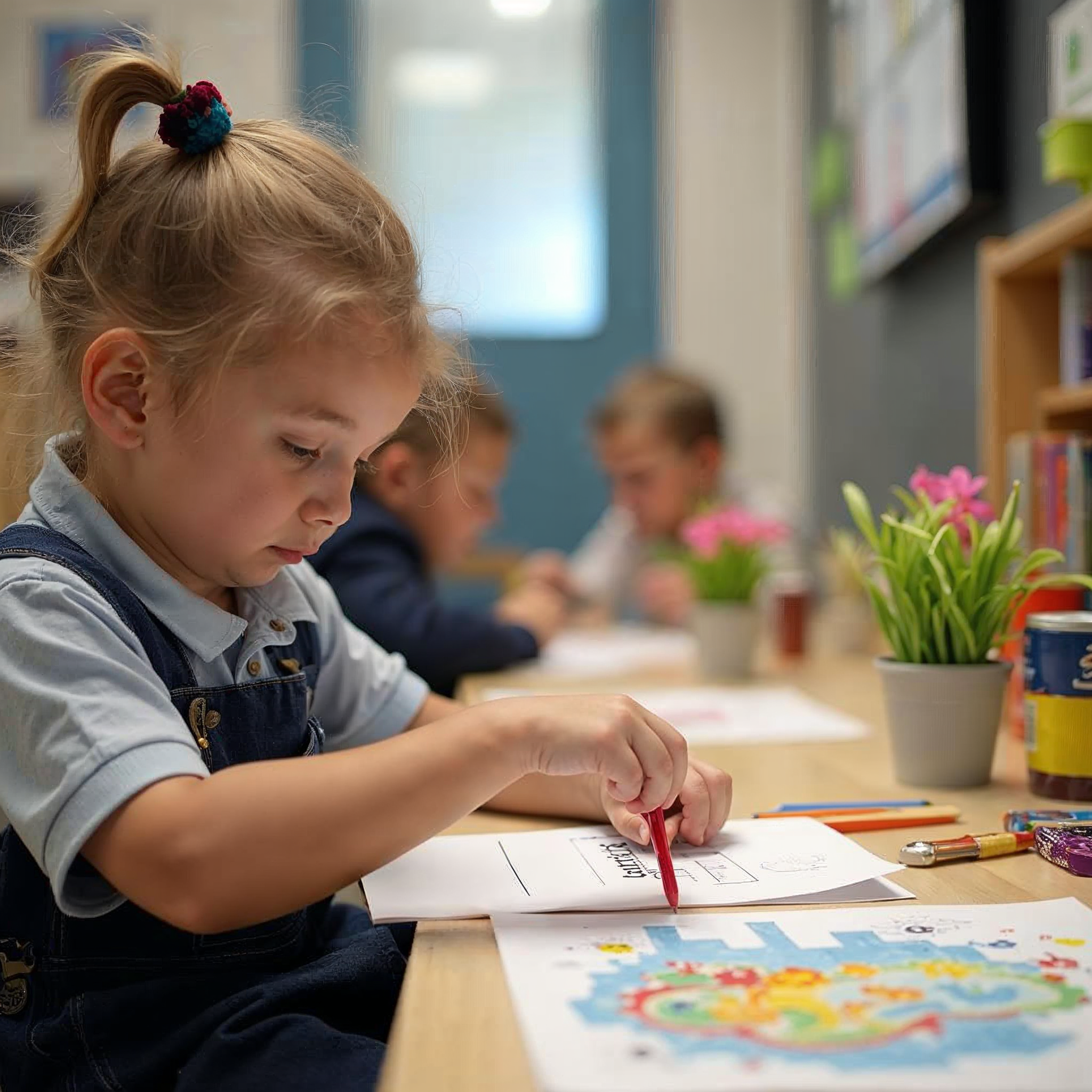
Prep readiness means more than knowing the ABCs or writing names. It’s about your child having the emotional, social, and practical skills to handle a classroom setting. When children feel comfortable and capable, they can focus on learning rather than just coping with change.
Social and Emotional Development
The ability to manage feelings and interact with others forms the foundation of school success. Children who can regulate their emotions often find it easier to learn and make friends.
Think about how your child handles small upsets. Can they bounce back when things don’t go their way? This skill helps them cope when they make mistakes in the classroom.
Social confidence matters too. Watch how your child plays with others—do they share toys, take turns, or join group activities? These skills help them build friendships at school.
Being able to separate from you without major distress is another key sign. Practice short separations before school starts to build this confidence gradually.
Language and Communication Skills
Clear communication helps children express needs, follow instructions, and engage with learning. Your child will use these skills constantly in Prep.
Can your child follow two-step directions like “Please put your shoes away and wash your hands”? This shows they can process and remember information—a must-have skill for classroom learning.
Listening skills matter too. Notice if your child can sit through a short story and answer simple questions about it afterwards. This shows they’re ready for group learning times.
Speaking clearly enough for others to understand helps teachers and classmates connect with your child. If others struggle to understand them, consider chatting with your doctor about a speech assessment.
Physical Development
Physical skills support both learning and independence at school. Fine motor control helps with writing, cutting, and managing lunch boxes.
Can your child hold a pencil comfortably? Practice drawing, colouring, and cutting at home to build hand strength and coordination.
Self-care skills like using the toilet independently, washing hands, and managing clothes (including buttons and zippers) build confidence. Children feel proud when they can handle these tasks themselves.
Gross motor skills matter too. Running, jumping, and balancing help your child join playground games and stay focused during classroom activities.
Supporting Your Child’s Transition
The months before Prep start offer perfect opportunities to build school readiness skills. Small, everyday moments can prepare your child without pressure or stress.
Everyday Activities for Prep Readiness
Turn daily routines into learning chances. Morning and bedtime routines teach your child to follow steps in order, just like classroom routines.
Practice self-help skills during dressing time. Let your child put on their own clothes, do up buttons, and tie shoelaces (or use Velcro shoes until they master laces). This builds independence and confidence.
Make lunch box practice fun. Have picnics where your child opens containers, unwraps food, and packs up afterwards. This builds practical skills they’ll need every day at school.
Read together daily. This builds language skills, extends attention span, and creates positive feelings about learning. Ask questions about the story to develop comprehension skills.
Building Social Skills at Home
Set up playdates with future classmates if possible. This helps your child start school with familiar faces and practice social skills in different settings.
Role-play social situations. “What would you say if you want to join a game?” or “How could you ask for help?” These conversations prepare your child for real-life interactions.
Teach problem-solving for conflicts. Instead of stepping in immediately when disagreements happen, guide your child to think of solutions. This builds skills they’ll need in the playground.
Play board games to practice taking turns, following rules, and handling winning and losing gracefully. These games build social skills in a fun way.
Pre-Literacy and Pre-Numeracy Tips
Make learning part of play, not a chore. Point out letters in your child’s name when you see them on signs or packages. This builds letter recognition naturally.
Count everything! Stairs as you climb them, toys as you pack them away, or snacks as you share them. This builds number sense through everyday activities.
Play rhyming games during car trips. “I spy something that rhymes with car” (star, far). This develops phonological awareness—a key reading readiness skill.
Draw and write together. Shopping lists, birthday cards, or simple notes help your child see writing as useful and fun. Don’t worry about perfect spelling—focus on the joy of communication.
Making the Prep Decision
As the time approaches to enrol your child in Prep, you might feel unsure about whether they’re truly ready. This decision deserves careful thought, as starting school at the right time sets your child up for success.
Should You Delay Prep Entry?
Sometimes waiting a year makes sense for your child’s development. In Queensland, you can delay your child’s entry to Prep if they’re not quite ready.
Children with birthdays close to the June 30 cut-off date might benefit from an extra year of growth. Being the youngest in class can affect confidence and social interactions for some children.
Boys sometimes develop school readiness skills a bit later than girls. If your son seems less mature than other children his age, an extra year might help him start school with greater confidence.
Trust your instincts and observations. You know your child best, and in Queensland, the decision to delay can be yours without formal assessment requirements.
Signs Your Child May Be Ready
Look for these positive indicators that suggest Prep readiness:
Your child talks about school with excitement rather than fear. This shows emotional readiness for new challenges.
They can focus on activities for 10-15 minutes without constant redirection. This attention span helps them engage with classroom learning.
Your child manages basic self-care like using the toilet, washing hands, and eating lunch without major help. This independence supports their confidence at school.
They show interest in letters, numbers, and books. While they don’t need to read before Prep, curiosity about these concepts indicates readiness to learn.
What If You’re Unsure?
Talk with your child’s current educators. Kindergarten teachers have seen many children transition to school and can offer valuable insights about your child’s readiness.
Visit potential schools and observe Prep classrooms if possible. This helps you picture your child in that environment and identify any concerns.
Consider a trial day if the school offers this option. Seeing how your child responds to the school environment provides real-world feedback about their readiness.
Remember that children develop at different rates. Focus on your individual child rather than comparing them to others or following what friends with children the same age are doing.
If you’re still unsure after these steps, most educators suggest giving your child more time. Starting school when truly ready sets them up for a positive educational journey.
Open Monday to Friday, 6:30am – 6:00pm
If you’d like to learn more about how our kindergarten program can support your child’s journey to Prep readiness, we’d love to hear from you.
Contact us today:
Phone: 07 2802 5430
Address: 4 Buckley Drive, Drewvale, QLD, 4116
Website: daisylaneearlylearning.com.au
Additional Resources
For more information about preparing your child for Prep, visit:
Remember, starting Prep is an exciting adventure for your whole family. With the right preparation, support, and a quality kindergarten experience at Daisy Lane Early Learning, your child will be ready to embrace this new chapter with confidence and joy.