First Steps in Early Childhood: A Brisbane Parent’s Guide to Choosing Quality Care
Every parent knows those first wobbly steps are unforgettable. But choosing the right early learning centre in Brisbane can feel just as daunting as those early toddles. This guide breaks down what to expect from your child’s development, the options available, and how quality care supports these vital early years. Here’s what you need to know to make confident choices for your family’s next steps. Learn more about childhood milestones from the Australian Government’s developmental milestones guide.
Understanding Your Child’s Development
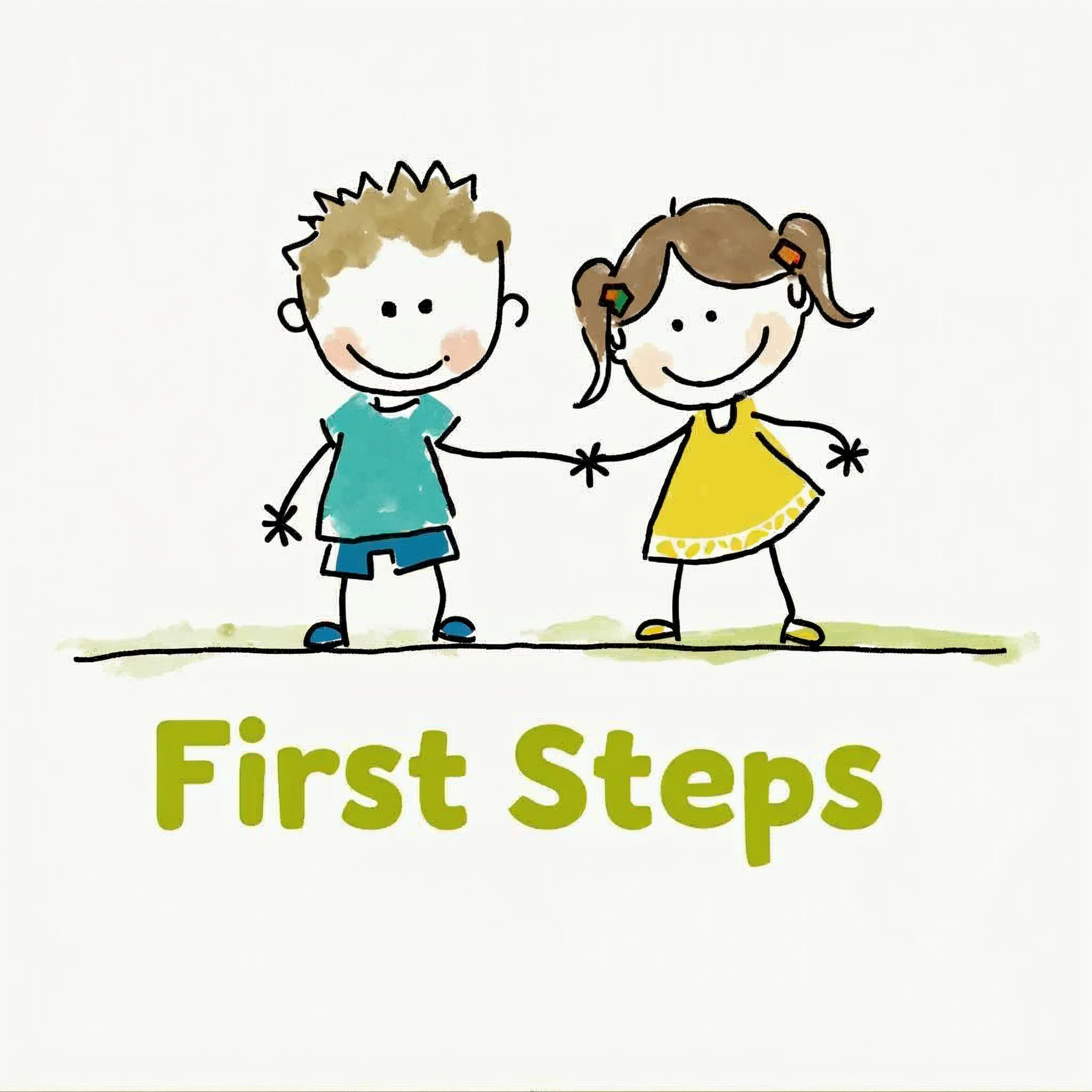
Your child’s early years are packed with amazing growth across all areas of development. Knowing what to expect helps you spot progress and support their journey through these important first steps.
Physical Milestones and Growth
Those first wobbly steps mark just one moment in an incredible physical journey. From birth to age five, your child’s body transforms from a helpless newborn to an active preschooler who runs, jumps, and maybe even rides a bike!
Between 8-18 months, most babies take their first independent steps. Before this big moment, they’ve been building strength through tummy time, rolling, sitting, crawling, and pulling up to stand. Each baby follows their own timeline – some walk at 9 months, others at 15 months, and both are completely normal.
Fine motor skills develop alongside gross motor abilities. Your baby’s grasp evolves from a reflexive grip to the precise pincer grip that picks up tiny objects. By age three, most children can use spoons, scribble with crayons, and begin dressing themselves.
According to Queensland Brain Institute’s First Steps program, these physical achievements build pathways in your child’s brain that support all other areas of learning. Active play isn’t just fun – it’s essential brain food!
Emotional and Social Development
Your child’s heart grows as quickly as their body. From the first social smile to complex friendships, emotional and social skills unfold in predictable patterns.
Babies form their first attachments to parents and caregivers, building the security they need to explore their world. Around 8 months, many babies develop “stranger anxiety” – this wariness of unfamiliar people shows healthy attachment to you!
Toddlers experience big emotions with limited tools to express them. The famous “terrible twos” happen because your child wants independence but lacks the skills to manage frustration. This stage builds important emotional muscles through practice.
By ages 3-5, children begin true social play. They move from playing alongside others (parallel play) to cooperative games with rules and turn-taking. They practice empathy, sharing, and friendship – skills they’ll use throughout life.
The ACECQA developmental milestones guide explains how quality early learning programs support these crucial social-emotional skills through guided play and consistent relationships.
Cognitive and Language Skills
Your child’s brain grows at an astonishing rate during the early years. Their thinking skills and language abilities expand daily through play and interaction.
Babies learn through their senses – touching, tasting, and watching everything. By 12 months, they understand object permanence (things exist even when hidden) and begin using simple cause-and-effect thinking.
Language explodes between 1-3 years. Most toddlers progress from a few words to sentences with 200+ words by age three. They understand far more than they can say – following instructions shows their comprehension skills.
Preschoolers ask endless questions as they build reasoning skills. They sort objects by features, understand basic time concepts, and solve simple problems. Their play becomes more complex, with detailed pretend scenarios that can last for days.
Early literacy and numeracy skills emerge naturally through everyday activities. Counting toys, recognizing letters in their name, and enjoying books build foundations for later academic learning.
Quality early learning programs offer rich language environments where children hear varied vocabulary in meaningful contexts – a key factor in school readiness, according to Australian early childhood education research.
Navigating Childcare Choices

Finding the right care option feels overwhelming at first. Understanding the types available helps narrow your search to what works for your family’s needs.
Types of Early Learning Services
Brisbane families can choose from several care options, each with unique benefits for different family situations.
Long day care centres offer full-day programs for children from 6 weeks to school age. They typically operate from 6:30am to 6:00pm, making them ideal for working parents. Most follow structured educational programs based on the Early Years Learning Framework.
Family day care provides care in an educator’s home for small groups of children. The family setting suits some children who prefer quieter environments, and hours may be more flexible than centre-based care.
Kindergarten programs focus on school readiness for children in the year before school (typically 4-5 years old). In Queensland, these programs follow the Queensland Kindergarten Learning Guidelines and may be standalone or part of long day care centres.
Occasional care offers flexible, casual bookings for families with changing schedules or part-time needs. This option works well as a supplement to family care or for parents with irregular work hours.
Each option can access Child Care Subsidy to help with costs if they meet government requirements. The Queensland Government’s Early Childhood website offers detailed information about each service type.
What to Look for in a Centre
Quality varies widely between centres. Knowing what to look for helps you find the best match for your child.
Start with the basics: location, hours, and availability. A convenient centre with hours that match your schedule makes daily life much easier. Many popular centres have waiting lists, so start your search early.
Check the centre’s National Quality Standard rating on the ACECQA website. This government assessment evaluates educational program, health and safety, physical environment, staffing, relationships with children, partnerships with families, and leadership.
Visit in person to observe the environment. Look for clean, well-maintained spaces with age-appropriate toys and equipment. Outdoor areas should offer both active play and quiet spaces. Notice how educators interact with children – warm, responsive relationships are essential.
Ask about staff qualifications and turnover. Consistent caregivers who form long-term relationships with children create the stability young children need. Queensland regulations set minimum qualification requirements, but many quality centres exceed these.
Review the educational approach. Quality programs balance child-led play with intentional teaching. Ask how they document learning, communicate with families, and support individual children’s interests and needs.
Trust your gut feeling. The right centre should feel welcoming to both you and your child. You should leave visits feeling confident about the care your child will receive.
Preparing for the First Day
Starting childcare marks a big transition for your whole family. Thoughtful preparation helps everyone adjust smoothly.
Before the first day, talk positively about the centre with your child. Visit together during orientation, meet the educators, and explore the environment. Read picture books about starting childcare to build familiarity with the concept.
Establish routines at home that match the centre schedule. Practice self-help skills like hand washing, eating independently, and following simple instructions. These skills build your child’s confidence in the new setting.
Pack thoroughly: spare clothes, comfort items (if allowed), hat, water bottle, and any required nappies or formula. Label everything clearly with your child’s name to prevent mix-ups or lost items.
Plan a calm morning routine for the first day. Allow extra time to avoid rushing, which increases stress for everyone. Create a consistent goodbye ritual – perhaps a special hug, high-five, or phrase that signals you’re leaving but will return.
Expect some tears at drop-off, especially in the first weeks. This separation anxiety is normal and healthy. Most children settle quickly after parents leave, but ask educators to call you if your child remains distressed.
Remember that adjustment takes time. Some children settle within days, while others need weeks to feel comfortable. Maintain consistent attendance during this period rather than keeping your child home when they show reluctance – consistency helps build security.
Supporting Your Child’s First Steps
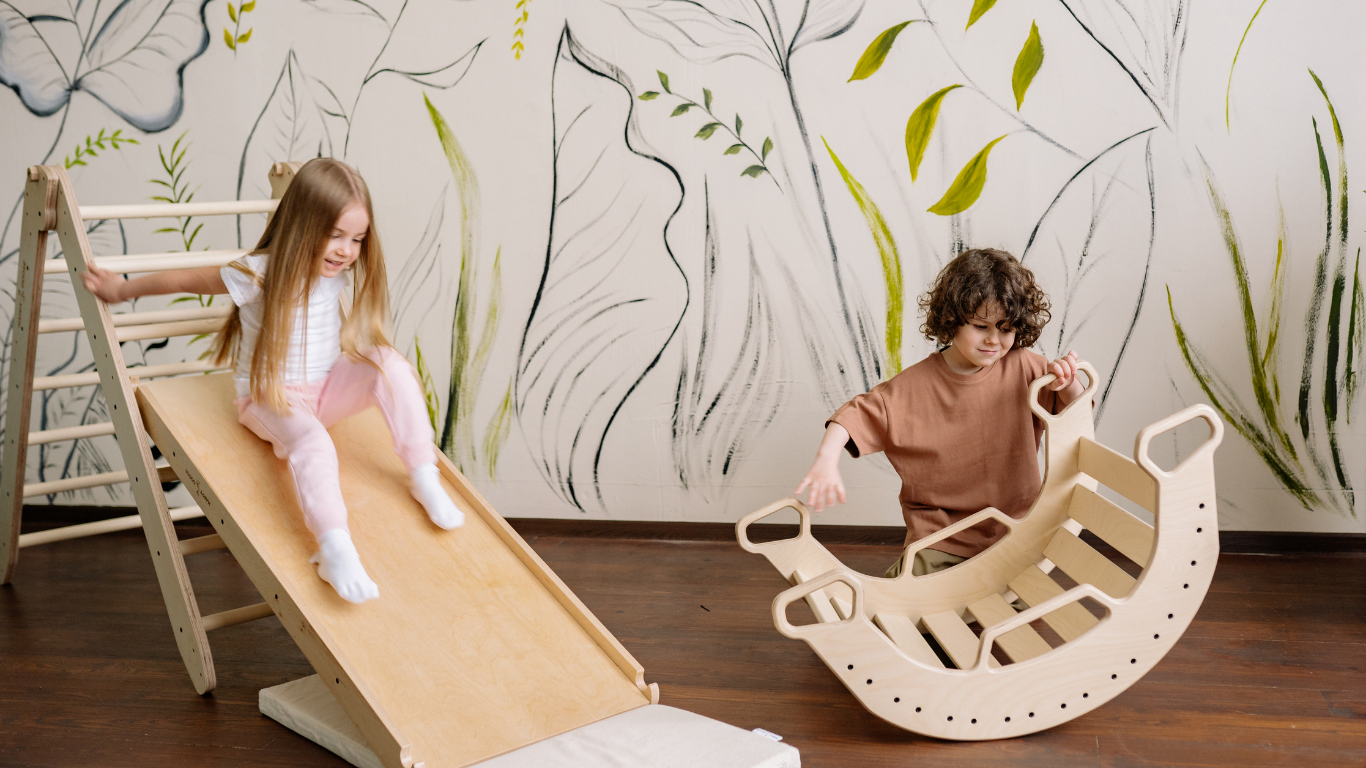
Parents and educators form a powerful partnership in supporting early development. Working together creates the best outcomes for children.
Creating a Safe and Stimulating Environment
Young children learn through exploration, so their environment needs both safety and stimulation.
At home, childproof thoroughly but avoid over-restricting movement. Create yes spaces where your child can freely explore without constant correction. Low shelves with rotating toys, cozy reading corners, and open floor space for active play support independent learning.
Offer simple, open-ended materials that grow with your child. Blocks, art supplies, pretend play props, and natural items like shells or pinecones spark creativity and problem-solving. Limit electronic toys that do the thinking for your child.
Balance structure and freedom in your daily rhythm. Young children thrive with predictable routines that include active play, quiet time, outdoor exploration, creative activities, and plenty of unstructured play. Within this framework, follow your child’s interests.
Quality early learning centres design environments with similar principles. They create distinct learning areas, offer varied materials, and balance active and quiet experiences throughout the day. When choosing a centre, notice how the environment supports different types of play and learning.
Encouraging Physical and Emotional Growth
Your responses to your child shape both their physical abilities and emotional health. Finding the right balance of support and challenge helps them grow in both areas.
For physical development, offer plenty of active play opportunities. Parks, playgrounds, dance parties in the living room, and backyard obstacle courses build strength, coordination, and confidence. Let your child take appropriate risks – learning to fall safely is part of learning to move confidently.
Support emotional growth by naming feelings and teaching regulation strategies. “You’re feeling frustrated because the tower fell. Let’s take three deep breaths together, then try again.” This emotional coaching builds lifelong skills for managing big feelings.
Set clear, consistent limits with empathy. Young children need boundaries to feel secure, but they also need understanding when they struggle to meet expectations. “I won’t let you hit. I see you’re angry. Let’s find a safe way to show those big feelings.”
Praise effort rather than results. “You worked so hard on balancing!” teaches persistence better than “You’re so smart!” or “That’s perfect!” This growth mindset helps children embrace challenges rather than fearing failure.
Quality early learning programs partner with families in these approaches. Ask potential centres how they support physical challenges, handle emotional moments, and communicate with families about both successes and struggles.
Building Relationships with Educators
Strong partnerships between parents and educators create the best outcomes for children. Building these relationships takes effort from both sides.
Start by sharing information about your child – their preferences, routines, comfort strategies, and family traditions. This knowledge helps educators connect with your child and provide consistent care between home and centre.
Communicate regularly but respectfully. Brief check-ins at drop-off and pick-up maintain connection. Save longer discussions for scheduled meetings or communication apps. Remember that educators are caring for multiple children and may not be able to have lengthy conversations during busy times.
Participate when possible. Attend family events, respond to requests for input, and volunteer if the opportunity arises. These interactions build mutual trust and show your child that home and centre are connected.
Trust educators’ professional expertise while sharing your parental knowledge. Neither party knows everything about your child, but together you form a complete picture. When concerns arise, approach conversations with curiosity rather than judgment.
Show appreciation for educators’ work. A simple thank you, acknowledging specific positive impacts on your child, or participating in educator appreciation events builds goodwill in this important relationship.
Remember that quality early learning is a partnership, not a service transaction. When families and educators work together with mutual respect, children thrive in both environments.
By understanding development, choosing care thoughtfully, and building strong partnerships, you’ll support your child through all their first steps – from those wobbly physical beginnings to the confident strides of a school-ready child.
Ready to Take Your First Steps With Us?
We welcome families to visit Daisy Lane Early Learning Centre and experience our warm, nurturing environment firsthand.
Daisy Lane Early Learning Centre
4 Buckley Drive, Drewvale QLD 4116
Phone: 07 2802 5430
Email: enrolments@daisylaneearlylearning.com.au
Website: https://daisylaneearlylearning.com.au/contact-us/
Hours: 6:30am – 6:00pm, Monday to Friday
Book a Tour Today:
See our age-specific learning environments
Meet our qualified educators
Discuss your child’s individual needs
Learn about our programs and philosophy
Ask questions about fees, subsidies, and availability
Current Enrolment: We welcome children from 6 weeks to school age. Contact us to:
Register for our waitlist
Discuss immediate availability
Arrange orientation visits
Learn about our settling process
Frequently Asked Questions
Q: What’s the youngest age you accept children?
A: We welcome babies from 6 weeks of age in our dedicated nursery.
Q: Do you provide nappies and food?
A: We provide freshly prepared, nutritious meals and snacks. Families typically provide nappies, though we can discuss individual arrangements.
Q: What are your fees and how does the Child Care Subsidy work?
A: Please contact us for current fee information. We’re an approved provider, so families can access CCS. We can help you understand your estimated subsidy.
Q: Can I visit before enrolling?
A: Absolutely! We encourage families to tour our centre. Book a time that suits you by calling 07 2802 5430.
Q: What happens if my child has special needs?
A: We’re committed to inclusive practice and welcome children of all abilities. We work collaboratively with families and specialists to ensure appropriate support.
Q: How do you communicate with families?
A: We provide daily verbal updates, learning documentation, and regular formal meetings. Many centres also use digital communication apps.
Q: Is there a long waitlist?
A: Waitlist length varies by age group and desired start date. Contact us to discuss current availability for your specific needs.
Q: Do you offer part-time or casual care?
A: We offer flexible arrangements, including part-time attendance. Contact us to discuss options that suit your family.