

December Reflections: Why Parenting is About Progress, Not Perfection
The end of the year brings a familiar question to so many parents: Am I doing this right? You see your child changing, growing, and wonder if you’ve done enough or taken the right path. At Daisy Lane Early Learning, we witness this doubt every December, because parenting isn’t about perfection; it’s about progress. Let’s explore why focusing on growth, not guilt, makes all the difference. Visit our website at https://daisylaneearlylearning.com.au/ to learn more about how we support families on this journey.
Embracing Progress Over Perfection

Parents often feel trapped by impossible standards. The pressure to “get it right” can rob you of the joy found in small victories and everyday moments with your child. Let’s reframe how we think about success in parenting.
The Myth of Perfect Parenting
Perfect parenting is a mirage that keeps moving further away the closer you try to get. It’s an idea built on carefully curated social media posts and selective memory.
The truth? Every parent makes mistakes. Every parent has days when they serve cereal for dinner, lose their patience, or rely on screens longer than planned. These moments don’t define your parenting.
What matters more is how you respond after these moments. Do you reconnect with your child? Do you try again tomorrow? Do you show them that making mistakes is part of being human?
Children learn more from watching how we handle our imperfections than they ever would from witnessing flawless parenting. When you apologise after losing your cool, you teach resilience. When you admit you don’t know something, you model curiosity.
The families who seem perfect are simply better at hiding their struggles. Behind closed doors, they face the same challenges you do.
What Actually Matters: The Research
Child development research points to what truly shapes healthy, happy kids – and it’s not perfection.
Studies show that children need a secure base – at least one adult who responds to them consistently most of the time. Not all of the time. Most of the time. This “good enough” approach builds security while teaching children that relationships can weather mistakes.
What helps children thrive? Warm, responsive care. Clear boundaries delivered with love. Safe spaces to play and explore. Regular conversations about feelings. These basics matter far more than having the latest educational toys or Instagram-worthy birthday parties.
Research from Harvard’s Centre on the Developing Child shows that “serve and return” interactions – where you notice your child’s cues and respond appropriately – build brain architecture. These everyday moments of connection matter more than occasional big gestures.
The most important factor isn’t doing everything right – it’s creating a home where children feel safe, seen, and supported through both successes and struggles.
Reflecting on Parenting Through December
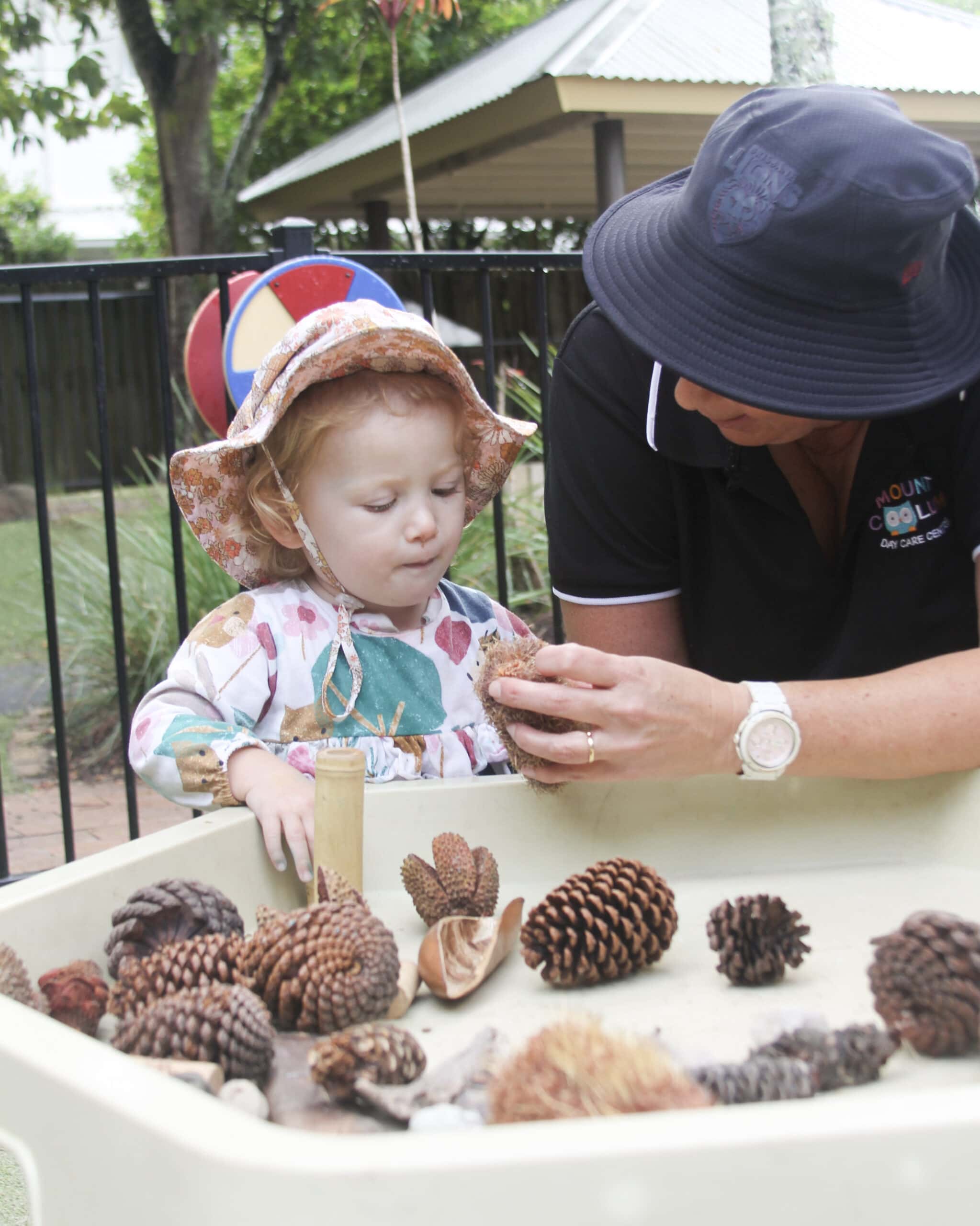
December brings natural moments for reflection. As the year ends, we take stock of growth, changes, and the path ahead.
Questions Worth Asking
Instead of “Did I parent perfectly this year?” try asking questions that actually matter:
“When my child needed comfort, did I try to be there?” This matters more than whether you attended every school event.
“Did we have moments of real connection?” These small daily interactions build your relationship more than grand gestures.
“Did my child learn they can count on me, even when I make mistakes?” This teaches security that perfect parenting never could.
“What growth do I see in my child from January until now?” Look for emotional and social growth, not just academic skills.
“What did I learn about myself as a parent this year?” Your growth matters too.
These questions shift focus from impossible standards to what truly shapes your child’s development – your relationship, their sense of security, and the home environment you create together.
Remember that growth happens in small steps, not dramatic transformations. The tiny changes you might miss day-to-day add up to significant progress over months and years.
What We See from Our Perspective
From our vantage point at Daisy Lane Early Learning, we see things parents often miss while caught in daily routines.
We see your child beam with pride when they master something new – often skills they’ve been practising at home with you. We notice how they talk about family traditions and special moments that might seem ordinary to you but mean everything to them.
We watch children develop confidence, kindness, and curiosity – qualities that grow from feeling secure in their relationships with caring adults. When children know they have a safe base to return to, they’re braver about exploring the world.
We see parents who show up day after day, doing their best despite work pressure, sleepless nights, and the mental load of family life. You pack lunches, remember library bags (most of the time), ask thoughtful questions about your child’s day, and partner with us to support their growth.
You’re doing so much better than you think. The fact that you worry about doing enough often means you’re already doing plenty.
Looking Ahead to the New Year

As we approach a fresh calendar year, let’s set intentions that focus on growth rather than perfection.
Intentions for Growth and Connection
Small changes create big shifts over time. Consider these simple intentions for the year ahead:
Put your phone down during key connection times. Even five focused minutes at drop-off and pickup can strengthen your bond with your child.
Create tiny rituals that build security. Maybe it’s a special goodbye phrase, a bedtime routine, or Sunday morning pancakes. These predictable moments help children feel safe.
Notice and name what your child does well. “You worked so hard on that puzzle” or “I saw how you helped your friend”, builds confidence based on effort and character rather than just results.
Give yourself permission to rest. Parental burnout helps no one. Even small breaks – a quiet cup of tea, a walk around the block, or calling a friend – help you return to parenting with more patience.
Choose connection over correction when possible. Ask yourself: “Does this behaviour need addressing right now, or can we reconnect first?”
These aren’t grand resolutions that set you up for failure. They’re small shifts in focus that build stronger relationships day by day.
The Gift of Good Enough
The concept of “good enough parenting” comes from child psychologist Donald Winnicott, who found that children actually benefit when parents aren’t perfect.
Good enough parenting means being present and responsive most of the time. It means meeting your child’s needs while gradually helping them learn to handle disappointment and frustration. It means loving them fiercely while accepting your own humanity.
When children have good enough parents – not perfect ones – they learn important life skills:
They learn that relationships can weather mistakes and repairs.
They develop resilience by watching you bounce back from hard days.
They understand that worth isn’t tied to perfection.
They build confidence in their ability to handle life’s ups and downs.
Your child doesn’t need a perfect parent. They need you – showing up, trying your best, and loving them through it all.
As we close this year at Daisy Lane Early Learning, we want you to know: we see your efforts. We see your love. We see the foundation you’re building for your child’s future.
Parenting isn’t about getting everything right. It’s about growing alongside your child, learning together, and building a relationship strong enough to weather the storms.
You’re doing better than you think. And that’s more than enough.
Recommended Resources on Parenting and Child Development
Parenting Philosophy and Support:
Raising Children Network – Parenting
https://raisingchildren.net.au/
Comprehensive Australian resource covering all aspects of parenting with evidence-based information.The Good Enough Mother – Winnicott’s Concept
https://www.earlychildhoodaustralia.org.au/
Early Childhood Australia resources on attachment theory and good-enough parenting.Beyond Blue – Parental Mental Health
https://www.beyondblue.org.au/
Support for parental mental health, anxiety, and depression—crucial for parenting capacity.Parentline Queensland
https://parentline.com.au/
Free telephone and online counselling service for parents and carers. Phone: 1300 30 1300
Child Development Understanding:
ARACY – Australian Research Alliance for Children and Youth
https://www.aracy.org.au/
Research-based information on what children need to thrive and positive child development.Emerging Minds – Child Mental Health
https://emergingminds.com.au/
Resources on child mental health, emotional development, and supporting children through challenges.KidsMatter – Family Resources
https://www.kidsmatter.edu.au/
Mental health and wellbeing resources for supporting children at home and in early learning.
Practical Parenting Support:
Circle of Security International
https://www.circleofsecurityinternational.com/
Attachment-based parenting approach focusing on secure relationships.The Gottman Institute – Raising Emotionally Intelligent Children
https://www.gottman.com/parents/
Research-based strategies for emotion coaching and building strong parent-child relationships.Australian Parenting Website
https://parentingstrategies.net/
Practical strategies for common parenting challenges and building positive family relationships.
These resources provide support for the journey of parenting, acknowledging both its challenges and rewards, and offering evidence-based guidance without perfectionism.